

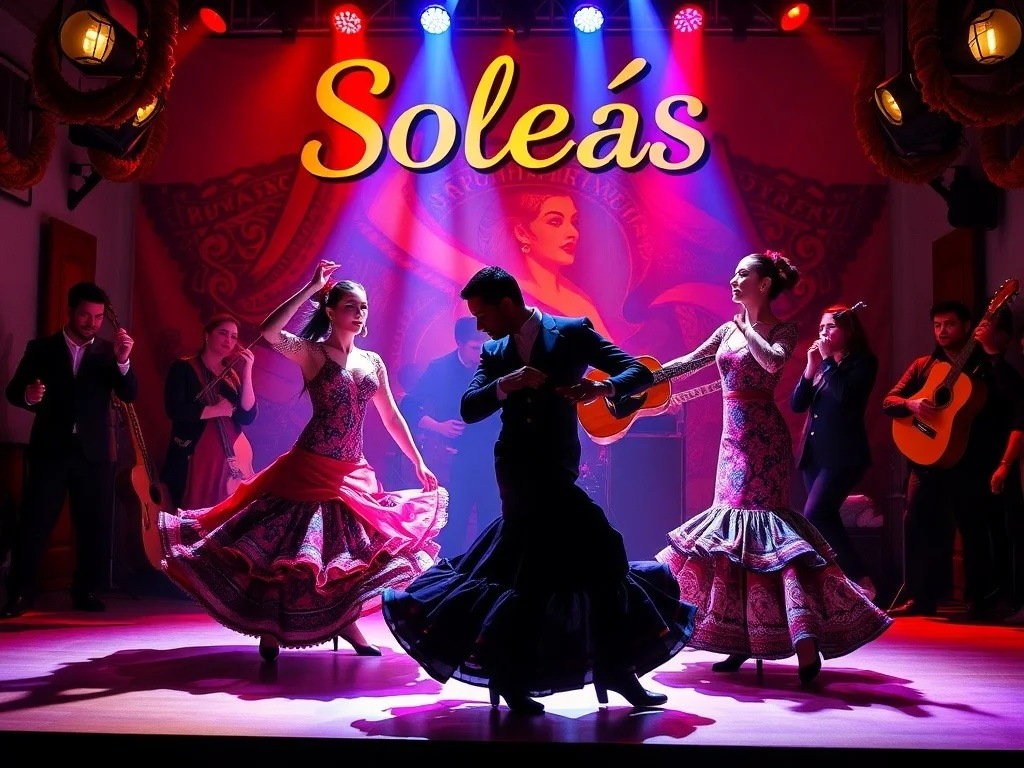
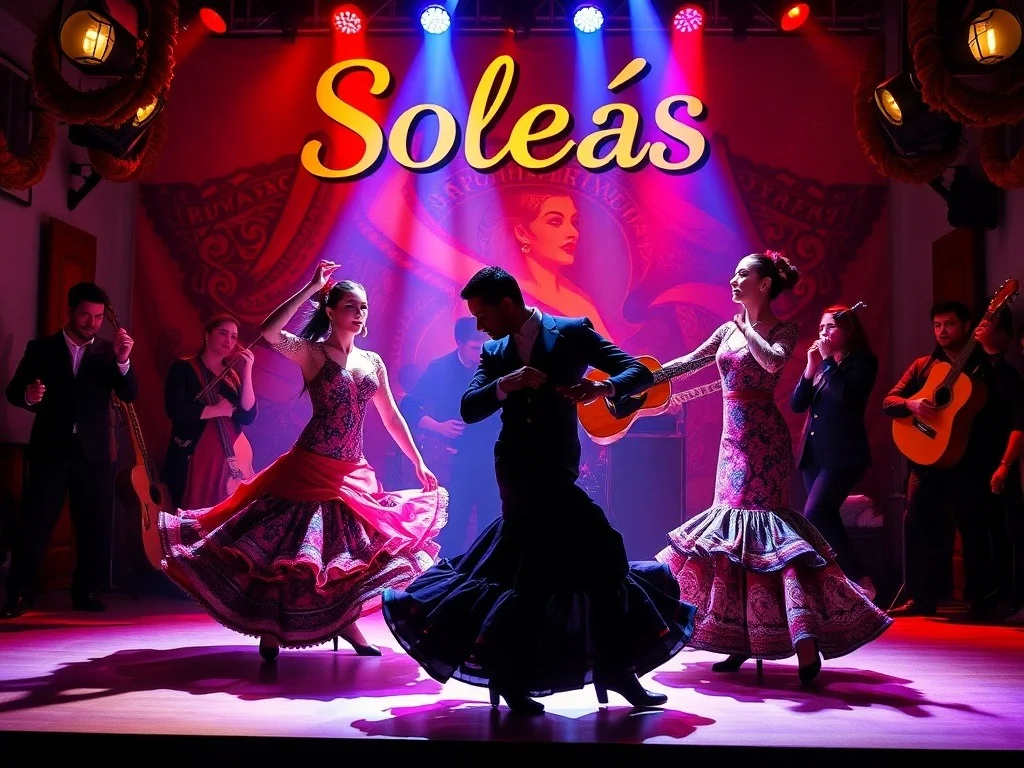
Understanding the Origins of Soleás
Soleás, a profound and emotionally wealthy model of flamenco, shouldn’t be merely a style of music—it’s the beating coronary heart of Andalusian soul. Rooted in centuries-old traditions of southern Spain, notably from the provinces of Cádiz and Seville, soleás have developed into one of many oldest and most expressive types of flamenco singing. The time period “soleá” is derived from the Spanish phrase soledad, that means solitude or loneliness, which completely captures the melancholic and introspective spirit that defines the style. The origin of soleás is closely debated amongst flamenco students. Some attribute its evolution from older folks kinds like tonás and seguiriyas, whereas others imagine it arose out of the working-class struggles of the Andalusian gypsy group. No matter its true genesis, soleás turned a central pillar of flamenco efficiency within the nineteenth century, carried out in taverns, plazas, and personal gatherings. Its distinctive rhythm, lyrical depth, and emotional weight make it a robust medium for storytelling and emotional launch.
Soleás as a Mirror of Human Emotion
The depth of feeling embedded inside a soleá efficiency is unparalleled. It reflects a range of deep human feelings—sorrow, longing, remorse, ardour, and even religious awakening. These feelings are usually not merely portrayed; they’re lived by means of the artist’s voice, gestures, and facial expressions. In conventional flamenco tradition, singing a soleá is seen as a cathartic act, permitting each the performer and the viewers to confront their inner struggles. A singer’s means to ship a convincing soleá relies upon largely on duende, a time period in flamenco that refers to a mysterious and intense creative emotion. When duende is current, the efficiency turns into transformative, touching one thing primal in each listener. This means to succeed in deep into the soul is what separates a superb singer from a legendary one.
The Construction and Rhythmic Sample of Soleás
Soleás follows a strict rhythmic cycle of 12 beats, which is taken into account probably the most difficult flamenco rhythms to grasp. This compás (rhythm) is usually counted as:
1 2 3 – 4 5 – 6 7 – 8 – 9 10 – 11 12
This rhythmic complexity supplies the proper backdrop for expressive freedom, enabling performers to stretch or compress phrases for emotional impact.
- The compás is cyclic and meditative, reflecting the repetitive nature of emotional ache.
- Guitarists usually use syncopation and counter-rhythms so as to add richness and stress to the efficiency.
These intricate rhythmic and harmonic qualities demand immense technical mastery, particularly when carried out with different flamenco parts like dance and guitar.
Completely different Variations Throughout the Soleás Style
Although soleás is usually handled as a single kind, it truly encompasses all kinds of regional and private kinds. Every variation displays completely different cultural nuances and rhythmic preferences.
Notable Variants of Soleás
- Soleá de Alcalá – Identified for its gradual tempo and heavy emotional weight.
- Soleá de Cádiz – Brighter and extra rhythmic, usually that includes elaborate guitar accompaniment.
- Soleá de Triana – Emphasizes vocal improvisation and uncooked vocal energy.
- Soleá de Jerez – Incorporates a sooner tempo and daring rhythmic aptitude.
Every variant affords distinctive interpretive challenges and contributes to the wealthy mosaic of flamenco traditions.
The Position of Guitar in Soleás Efficiency
The guitar in a soleá efficiency is way over accompaniment; it’s a co-narrator of the emotional story. Flamenco guitarists use superior methods like rasgueado (flamenco strumming), alzapúa (thumb approach), and picado (quick scales) to echo the singer’s feelings. The tuning and phrasing are deliberately left open-ended, permitting for improvisation and real-time emotional expression. This spontaneous interplay between singer and guitarist is what offers every efficiency its singular emotional depth. Guitarists have to be attuned to the singer’s breath, phrasing, and pauses, offering each rhythmic assist and melodic counterpoint.
How Soleás Influences Different Flamenco Varieties
Soleás serves as a foundational model from which many different flamenco kinds have developed. Genres like soleá por bulería and bulerías are derived immediately from the construction and rhythm of soleás however incorporate lighter moods and sooner tempos.
- Soleás affect lyrical construction and phrasing in a number of flamenco palos.
- Even fashionable flamenco fusion artists usually incorporate soleá motifs to lend authenticity.
By understanding soleás, one positive factors entry to the roots of flamenco expression, making it an important space of research for performers and fans alike.
Soleás in Trendy Flamenco and International Affect
In latest many years, soleás has crossed borders and entered the worldwide music scene. Artists like Camarón de la Isla, Paco de Lucía, and Estrella Morente have introduced soleás to the world stage whereas sustaining its genuine roots. With the globalization of flamenco, soleás has discovered its place in fusion genres, jazz improvisation, and even classical music contexts. Regardless of its worldwide attain, the essence of soleás stays fiercely native, tied to Andalusian soil and the experiences of its individuals. Trendy artists now mix digital parts, orchestral preparations, and multicultural influences into conventional soleás performances, increasing its emotional vocabulary.
Studying and Instructing Soleás At present
At present, flamenco faculties and conservatories internationally supply in-depth programs on soleás. These classes cowl the whole lot from compás to vocal methods and historic context. Nevertheless, traditionalists argue that true mastery can solely come from immersion in flamenco tradition—listening to elders, attending juergas (flamenco events), and residing the feelings behind the music.
- Formal coaching teaches approach and construction.
- Cultural immersion builds emotional depth and authenticity.
For college students of flamenco, understanding soleás is not only about music—it’s about embracing a lifestyle.
Lyrics and Poetic Themes in Soleás
Soleás lyrics are sometimes temporary, poetic, and symbolic. They mirror themes of heartbreak, loneliness, betrayal, and religious craving. The verses often include three to 4 traces, with inner rhymes and deep metaphorical language. A single verse can carry an emotional weight equal to a complete novel.
| Theme | Widespread Image | Instance Phrase |
| Loneliness | Evening, shadow | “La noche es mi compañera eterna…” |
| Love and Loss | Hearth, sea | “El mar se llevó mi pena ardiente…” |
| Destiny and Time | Clock, street | “Reloj sin manecillas ni destino…” |
These lyrics usually carry double meanings, permitting performers to interpret them uniquely every time they’re sung.
Why Soleás Stays Culturally Related
Even in as we speak’s fast-paced digital world, soleás continues to resonate with audiences. Its themes of solitude, wrestle, and identification are timeless. The style’s means to adapt whereas retaining its soul has ensured its survival and progress. From native festivals in Andalucía to worldwide levels, soleás continues to captivate new generations.
- Younger artists mix soleás with hip-hop, rock, and digital music.
- Cultural preservation applications maintain conventional kinds alive in native communities.
Its resilience displays the enduring human want to precise ache and wonder by means of artwork.
Challenges Dealing with Conventional Soleás
Regardless of its cultural worth, conventional soleás faces a number of challenges. The commercialization of flamenco has led to shortened performances, lack of regional variations, and diluted emotional expression. Moreover, fewer younger singers are skilled within the older, tougher types of soleás.
- Tourism-driven performances usually favor flash over depth.
- Digital media promotes recognition over authenticity.
Nevertheless, many flamenco aficionados and cultural establishments are actively working to reverse this pattern by selling in-depth coaching and community-based performances.
Soleás and Gender Illustration
Historically, flamenco was a male-dominated world. Nevertheless, girls have more and more taken heart stage in performing and innovating throughout the soleás style. Singers like La Niña de los Peines and Mayte Martín have introduced contemporary emotional views and vocal interpretations. At present, gender now not limits expressive potential in soleás, permitting for a richer creative range.
- Feminine artists convey new lyrical themes into focus.
- Trendy compositions usually mirror gender-related social points.
Their contributions proceed to develop the emotional spectrum and relevance of soleás.
Spirituality and the Soul of Soleás
For a lot of, performing or listening to soleás is a religious expertise. The music’s haunting melodies and introspective lyrics permit for a form of meditative catharsis. In a world more and more centered on exterior achievements, soleás invitations inward reflection.
- Performances usually happen in candlelit settings to invoke intimacy.
- Listeners report emotional launch and readability after a robust soleás.
This religious dimension offers soleás a common attraction throughout cultures and languages.
The Way forward for Soleás within the Digital Age
As flamenco adapts to fashionable platforms like YouTube, Spotify, and Instagram, soleás is reaching wider audiences. Nevertheless, the query stays: can digital media really convey its emotional depth? Whereas recordings supply accessibility, dwell performances stay the soul of the style. Interactive platforms now host digital flamenco workshops, permitting college students from all around the world to check soleás, although traditionalists warn in opposition to studying with out cultural context.
Conclusion: Soleás as a Dwelling Legacy
Soleás is not only a style; it’s a residing legacy of human emotion, resilience, and cultural depth. From its Andalusian roots to its world stage, it continues to evolve whereas staying true to its origins. Its complexity, uncooked energy, and poetic magnificence make it probably the most treasured expressions on the earth of flamenco. Whether or not you’re a seasoned performer, a music scholar, or a curious listener, exploring the world of soleás is a journey value taking—a journey into the soul.
Often Requested Questions (FAQs)
1. What does “soleás” imply in flamenco?
Soleás comes from the Spanish phrase soledad, that means solitude. It’s a deep and emotional flamenco kind that explores themes of loneliness, sorrow, and private reflection.
2. Is soleás troublesome to carry out?
Sure, soleás is among the most advanced and emotionally demanding types of flamenco. It requires a deep understanding of rhythm, vocal approach, and emotional expression.
3. Can soleás be fused with fashionable music genres?
Completely. Many modern artists mix soleás with genres like jazz, digital, and rock, giving it a contemporary twist whereas preserving its emotional depth.
