

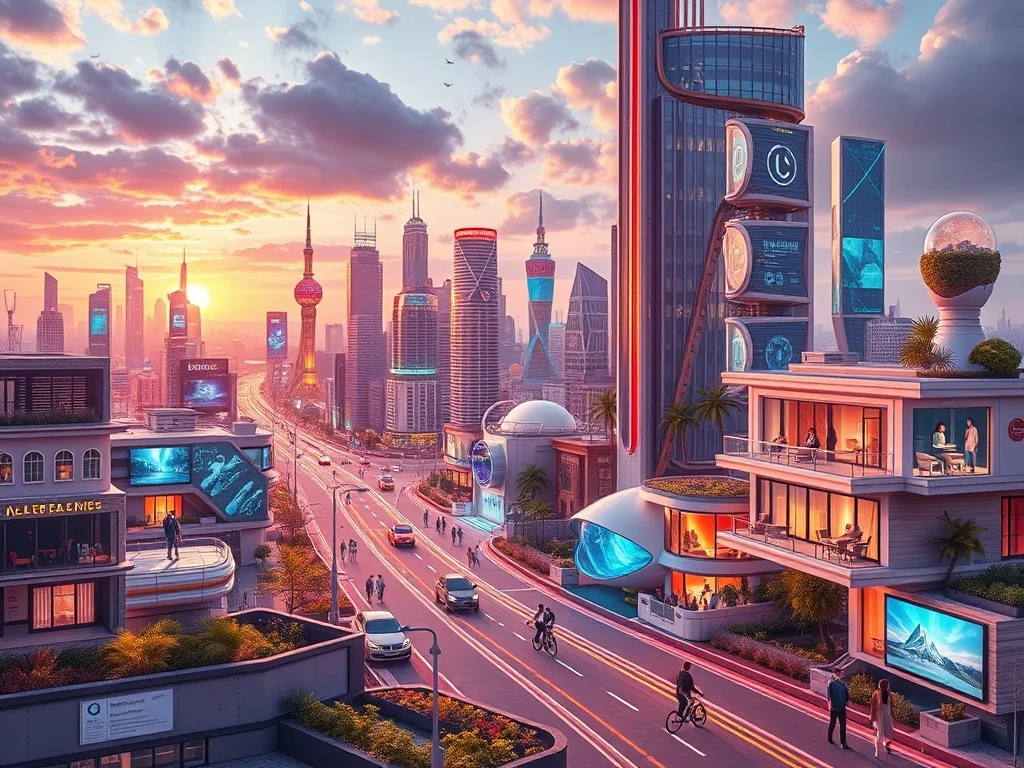
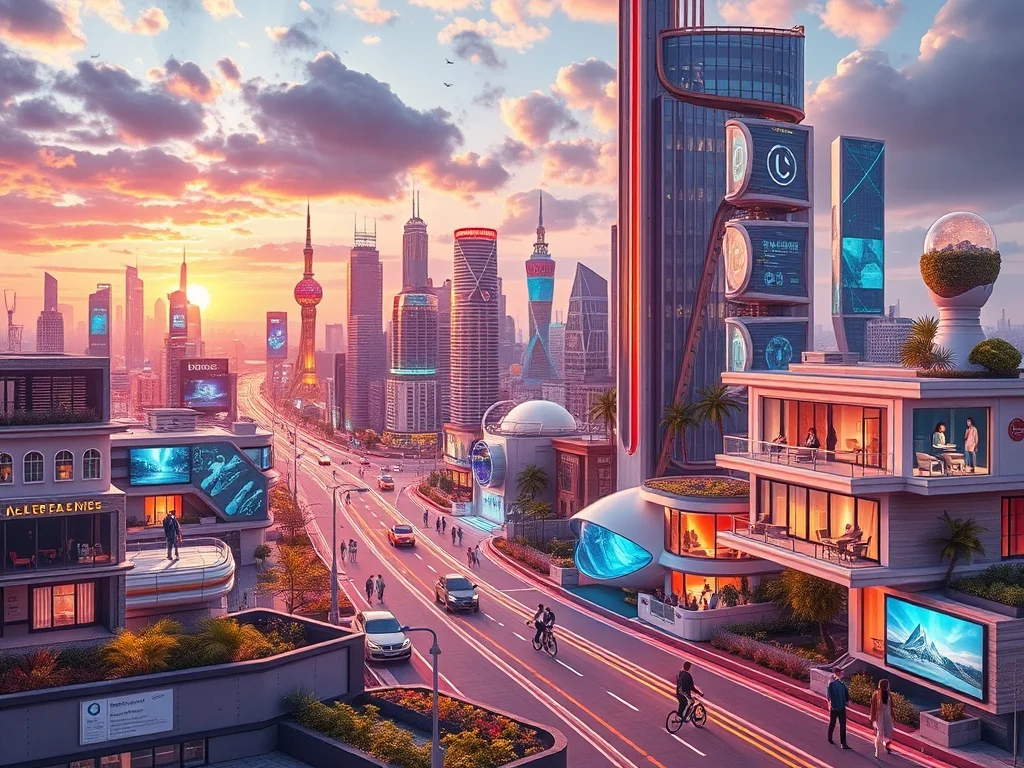
Introduction: A New Period of Digital Evolution
The age of the smartphone has outlined the final 20 years of human communication, connectivity, and commerce. But, as technology races forward, tech giants envision a future past smartphones—a future the place immersive units, synthetic intelligence, and hyper-connectivity reshape the very cloth of day by day life. The smartphone is not the head of innovation however a stepping stone towards a bigger, extra built-in digital ecosystem. Firms comparable to Apple, Google, Meta, Microsoft, and Amazon are investing billions into next-generation platforms that promise to interchange or complement the pocket-sized machine we depend on at present.
From Smartphones to Immersive Experiences
The smartphone revolution centralized communication, leisure, and productiveness right into a single machine, however the subsequent technological leap focuses on breaking away from screens and embedding experiences straight into our environments. As an alternative of swiping on a glass show, the long run emphasizes hands-free, immersive, and clever interactions powered by augmented actuality (AR), digital actuality (VR), and blended actuality (MR). These applied sciences rework how we understand info by integrating digital layers into the bodily world.
Tech leaders predict that immersive computing is not going to solely improve gaming and leisure but additionally redefine training, healthcare, collaboration, and concrete dwelling.
The Rise of Wearable Applied sciences
Wearable units are quickly evolving from health trackers to classy computing methods that may exchange smartphones. Firms are growing good glasses, AR headsets, and neural interfaces able to displaying info seamlessly inside the person’s field of regard.
Some developments embrace:
- AR Glasses that exchange screens with real-time overlays.
- Mind-Laptop Interfaces (BCI) enabling direct communication with units.
- Smartwatches more and more appearing as standalone units with out reliance on smartphones.
This shift underscores the transition towards personalised, always-on expertise that doesn’t require us to look down at a handheld machine.
Synthetic Intelligence on the Core of the Transition
AI has develop into the spine of the post-smartphone world. Not like conventional smartphones the place AI serves as a assist software (voice assistants, predictive typing), the following period envisions AI because the central working system of our day by day interactions.
Synthetic intelligence will:
- Perceive context and anticipate wants.
- Personalize experiences with out handbook enter.
- Automate selections in areas comparable to scheduling, buying, and well being monitoring.
By embedding AI into wearables, AR methods, and related environments, tech giants are paving the way in which for frictionless dwelling the place digital and bodily realms converge seamlessly.
Meta and the Metaverse Imaginative and prescient
No dialog concerning the future past smartphones is full with out the metaverse. Meta (previously Fb) has dedicated tens of billions to constructing immersive digital areas the place work, play, and social interplay happen by means of avatars and 3D environments.
Though the metaverse faces skepticism, the corporate insists that immersive ecosystems will exchange conventional shopping and apps. As an alternative of scrolling by means of social media feeds, we might discover ourselves attending conferences in digital places of work, buying in 3D digital malls, or exploring live shows by means of immersive lenses.
Apple’s Strategic Method to Submit-Smartphone Units
Apple stays cautious but formidable in its method. Relatively than speeding into untested markets, Apple builds ecosystems that refine person expectations. The Apple Imaginative and prescient Professional headset, introduced with vital anticipation, alerts Apple’s intent to merge augmented actuality with sensible productiveness.
Apple’s technique focuses on:
- Integration with current units like iPhones and Macs.
- Clean person expertise to encourage adoption.
- Developer ecosystems guaranteeing long-term usability.
Apple envisions a gradual migration the place smartphones stay related whereas immersive units regularly assume centrality.
Google and Ambient Computing
Google’s method diverges by specializing in ambient computing—expertise that fades into the background and easily “works” with out specific interplay. From Google Assistant to Nest good units, Google imagines a future the place the setting itself turns into a pc.
On this imaginative and prescient, the smartphone turns into redundant as a result of:
- Data surfaces naturally by means of AR glasses.
- Instructions are executed by voice or gestures.
- Houses, vehicles, and workplaces function as clever, interconnected ecosystems.
Microsoft and the Enterprise-First Technique
Microsoft’s ambitions concentrate on enterprise purposes of AR and VR. Via HoloLens and partnerships with industries comparable to healthcare, engineering, and protection, Microsoft champions blended actuality for professionals somewhat than shoppers.
Its long-term wager is that office expertise adoption will pave the way in which for broader shopper acceptance. As soon as professionals normalize headsets and AR-assisted workflows, on a regular basis customers might embrace them as naturally as they did smartphones.
Amazon and Voice-Pushed Futures
Amazon continues to innovate by means of its voice-driven assistant Alexa and huge ecosystem of good units. Amazon envisions a world the place voice replaces touchscreens as the first mode of interplay.
Key instructions embrace:
- Good houses that reply to pure speech.
- AI assistants that predict and fulfill shopper wants.
- Seamless integration with buying, leisure, and logistics.
This locations Amazon on the heart of a service-driven, post-smartphone ecosystem.
Challenges Dealing with a Submit-Smartphone World
Whereas the imaginative and prescient is compelling, the transition past smartphones faces a number of hurdles. These embrace:
- Affordability: Superior AR/VR units stay costly.
- Adoption Resistance: Customers are snug with smartphones.
- Well being and Security Considerations: Extended headset use raises questions.
- Privateness Points: Fixed knowledge assortment by wearables will increase dangers.
Overcoming these challenges requires innovation, regulation, and trust-building between shoppers and expertise leaders.
Comparative Desk: Smartphones vs. Submit-Smartphone Units
| Function | Smartphones At the moment | Future Units (AR, AI, Wearables) |
| Main Interplay | Touchscreen | Voice, Gesture, Neural Interfaces |
| Type Issue | Handheld | Glasses, Wearables, Ambient Methods |
| Consumer Expertise | App-based | Context-aware, Personalised, Immersive |
| Connectivity | 5G, Wi-Fi | 6G, Edge Computing, At all times-on AI |
| Integration | Centralized Gadget | Distributed Ecosystem (residence, work, physique) |
As we transition from smartphones to immersive applied sciences, platforms like ccampus.org exemplify the shift in direction of digital ecosystems that mix training, collaboration, and AI-driven experiences. Equally, KONVERSKY represents the following wave in digital innovation, remodeling expertise developments, on-line options, and trendy digital experiences. These platforms spotlight the evolving panorama the place digital and bodily realities converge, providing a glimpse into the way forward for built-in digital ecosystems.
How Shoppers Will Adapt to the Change
The transfer past smartphones received’t occur in a single day. As an alternative, it would happen by means of incremental adoption, the place folks first use wearables as extensions of smartphones earlier than regularly changing them. Youthful generations, who already favor hands-free and immersive applied sciences, will drive adoption sooner than older demographics.
The transition might mirror the shift from desktop computer systems to cellular units—a gradual however inevitable migration formed by comfort and cultural momentum.
Impacts on Society and Human Conduct
A future past smartphones will redefine human habits, work dynamics, and social norms. Communication might develop into extra immersive, with holographic conferences changing video calls. Schooling might evolve into interactive AR classes. Healthcare may depend on steady well being monitoring wearables that stop sickness earlier than it happens.
This transformation raises deeper questions on human id, privateness, and reliance on machines—points that society should confront because the smartphone period ends.
Conclusion: The Smartphone as a Stepping Stone
The long run envisioned by tech giants makes one reality clear: the smartphone will not be the ultimate frontier of expertise. It’s a bridge towards immersive, AI-driven, interconnected ecosystems the place digital and bodily realities merge. Though challenges stay, the dedication of main firms ensures that the evolution past smartphones will not be a matter of “if” however “when.”
FAQs
1. Will smartphones fully disappear sooner or later?
Smartphones will doubtless stay related for years, however their function will shift as wearables, AR units, and ambient computing develop into major interfaces.
2. Which firm is main the post-smartphone future?
Apple, Meta, Google, Microsoft, and Amazon every lead in numerous domains, making the long run a collaborative evolution somewhat than a single-company race.
3. How quickly can we count on a smartphone-free world?
Analysts predict that widespread adoption of post-smartphone units might take 10–15 years, relying on affordability, infrastructure, and shopper acceptance.
