

The style business contributes roughly 20 % of world water air pollution, creating one of the vital urgent environmental challenges of our time. Artificial supplies and chemical-intensive manufacturing processes have turned clothes manufacturing into a serious ecological menace. Water programs worldwide endure contamination from textile dyes, ending chemical compounds, and pesticide runoff from typical cotton farming.
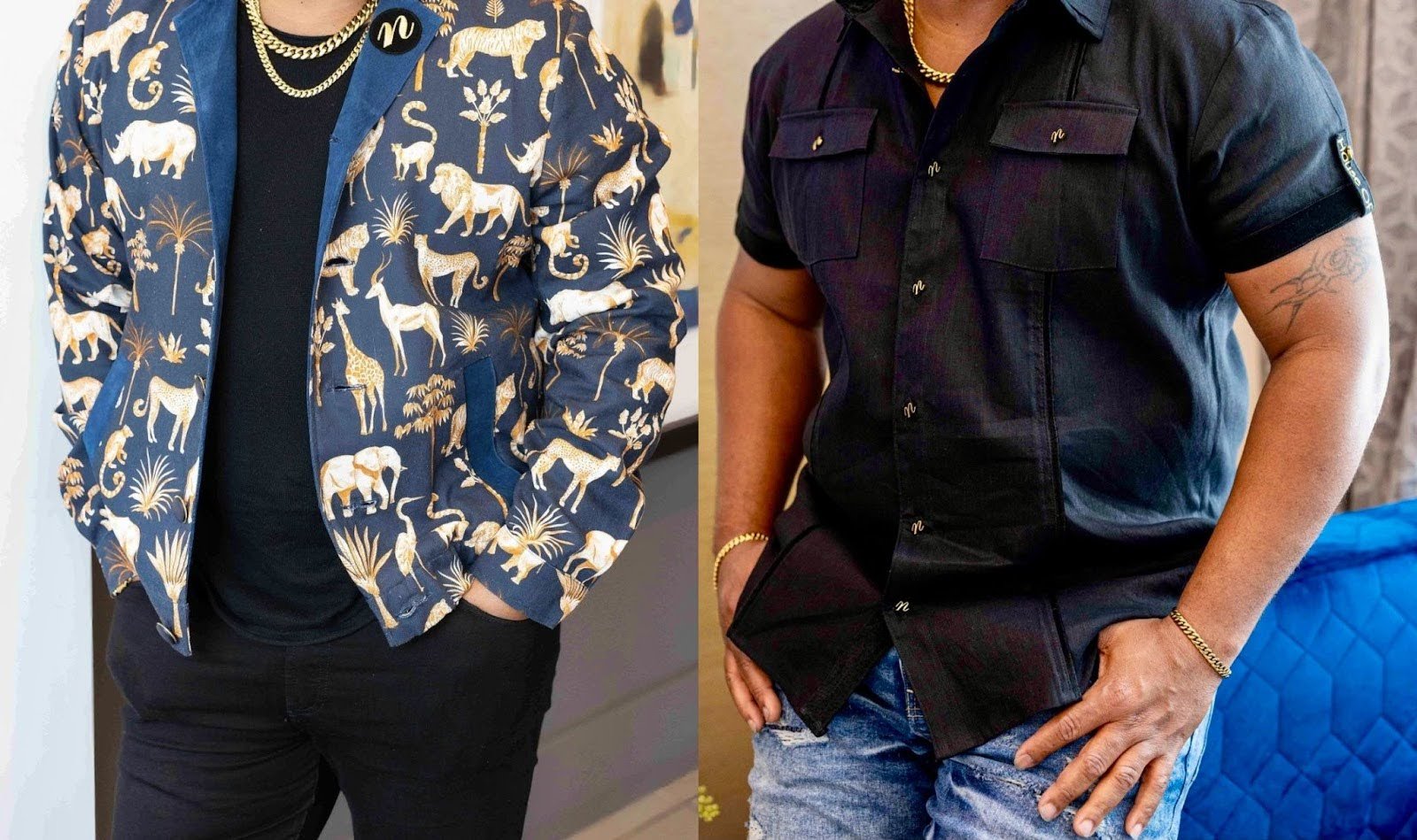
House of Nanii, a California-based style firm, addresses this disaster via pesticide-free linen manufacturing strategies. Designer Nanii Nnamdi has constructed the model round sustainable practices that eradicate dangerous chemical compounds from the manufacturing course of. The corporate’s Solomon Assortment represents a departure from business norms, utilizing premium linen that requires minimal water and 0 pesticides throughout cultivation.
The model’s philosophy is a cultural storytelling. His international perspective heritage influences every garment design, creating items that mix conventional patterns with modern silhouettes. This method has generated important social media progress, with followers growing from 250 to five,980 on Fb and from 125 to eight,150 on Instagram because the April 2024 beta launch.
Linen’s Pure Benefit Over Artificial Options
Linen manufacturing requires 80 % much less water than typical cotton cultivation. The flax plant, from which linen originates, grows in poor soil situations with out irrigation in most climates. Each a part of the flax plant finds use in varied industries, creating zero waste throughout processing. This effectivity contrasts sharply with artificial material manufacturing, which depends on petroleum-based supplies and energy-intensive manufacturing.
Chemical therapies frequent in artificial textile manufacturing launch risky natural compounds into waterways. Polyester manufacturing alone generates nitrous oxide emissions 310x stronger than carbon dioxide. Linen processing eliminates these dangerous byproducts via pure fiber preparation strategies. The fabric’s sturdiness means clothes last more, decreasing substitute frequency and general consumption.
Home of Nanii’s linen sourcing prioritizes natural farming strategies that rebuild soil well being. Pesticide-free cultivation protects native ecosystems and groundwater provides. The corporate’s provider community spans areas the place flax grows naturally, decreasing transportation emissions. These practices align with growing shopper demand for transparency in style provide chains.

Cultural Heritage Meets Environmental Accountability
The Solomon Assortment incorporates modern international design parts into fashionable menswear. Earthy and vibrant colours mirror pure dye strategies that keep away from artificial colorants. Heritage patterns seem in modern cuts designed for the trendy masculine physique. Each bit tells a narrative that connects cultural id with environmental consciousness.
Nanii’s international journey experiences inform the design course of, creating clothes that echo throughout cultures. Artisanal detailing preserves conventional craftsmanship strategies typically misplaced in mass manufacturing. The gathering targets area of interest communities in search of genuine cultural expression via sustainable style selections. This specificity permits the model to compete successfully regardless of business saturation.

Constructing Tomorrow’s Sustainable Style Customary
Home of Nanii plans to make use of linen solely in all merchandise by 2035. This timeline permits for gradual provide chain improvement and buyer schooling about the advantages of pure fibers. The corporate’s present give attention to menswear will increase to incorporate girls’s style and equipment. Every product class will keep the identical manufacturing requirements.
The model’s progress technique prioritizes high quality over amount, immediately opposing quick style ideas. Restricted manufacturing runs create exclusivity whereas decreasing environmental affect. Direct-to-consumer gross sales via the corporate web site eradicate retail markup and packaging waste. This mannequin permits for clear pricing that displays precise manufacturing prices.
Style business transformation requires manufacturers keen to sacrifice short-term earnings for the long-term. Home of Nanii demonstrates that environmental accountability can coexist with tradition and industrial success. The corporate’s pesticide-free linen manufacturing gives a replicable mannequin for decreasing style’s water air pollution contribution. Future collections will proceed exploring pure fiber purposes, cultural authenticity, and environmental requirements.
